Control The Flow With MIS
What is the best approach and strategy for your business: investing in a new management information system or upgrading your current setup? Rob Fletcher speaks to a range of suppliers, and finds out more

Working with other businesses can open doors to new markets, services, and expertise. Here, SignLink examines how building the right partnerships can strengthen day-to-day operations and long-term success.

In today’s increasingly competitive sign and display market, few businesses can afford to do everything themselves. Whether outsourcing specialist production, expanding installation capabilities, or accessing new technologies, strategic partnerships are becoming a valuable way for companies to broaden their offering without the cost and risk of investing in-house.
The right partnership can unlock new revenue opportunities, improve operational efficiency, and help businesses take on work they may previously have had to turn away. However, finding the right fit requires careful consideration, with factors like quality, communication, reliability, and shared business values all playing a crucial role in ensuring long-term success.
Factoid: According to research by the British Chambers of Commerce, almost two-thirds of UK firms are affected by skills shortages.
SignLink explores the benefits of collaborating with other businesses and examines how strong partnerships can help sign-makers strengthen their operations, boost customer service, and position themselves for sustainable growth in an evolving marketplace.
Up first to comment is Kirsty Corcoran, marketing manager at Very Displays, who says that the relationship between sign companies and suppliers has evolved from a transactional one to a “true partnership”.
“In today’s fast-paced market, customers expect far more than simply receiving a product,” she says, adding: “They need a supplier they can trust to deliver consistently, communicate proactively, and get it right first time. We believe the best suppliers become an extension of their customers’ businesses, helping them succeed and taking on some of the load, rather than simply fulfilling orders.
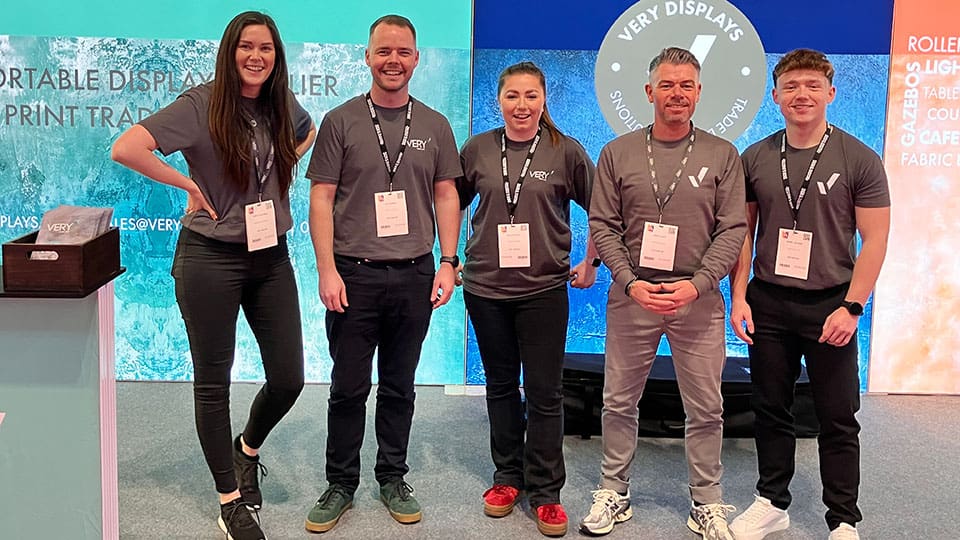
“Reliability and customer service have never been more important. Missed deadlines or quality issues don’t just affect the supplier; they directly impact the reseller’s reputation with their own customers. That’s why dependable service, technical expertise, and a proactive approach are essential. Customers want the confidence that their supplier will deliver on its promises, allowing them to do the same for theirs.”
With this, Cororan goes on to say that the biggest challenges facing sign businesses today are balancing increasing customer expectations with operational efficiency. She sets out how faster turnaround times, rising costs, and resource pressures mean signage companies need suppliers that make doing business easier, not more complicated.
But what separates a strong long-term supplier partnership from a purely transactional relationship? Cororan says price will always be a factor, but long-term partnerships are built on trust, consistency, and shared success.
A supplier that delivers reliable quality, communicates openly, and resolves issues quickly becomes far more valuable than one who simply offers the lowest price
“A supplier that delivers reliable quality, communicates openly, and resolves issues, quickly becomes far more valuable than one who simply offers the lowest price,” she comments, continuing: “Strong partnerships are built over time through dependable service and a commitment. Customers want to know that when deadlines are tight, their supplier will deliver exactly as promised and support them if challenges arise.
“Ultimately from us, we believe the strongest partnerships will be those built on trust, shared investment, and a commitment to continuous improvement.”
Another trade supplier in this area is Venture Banners, whose co-founder and director, Scott Conway, says companies are under pressure to offer a wide range of products at a high print quality with a fast turnaround. However, many are not necessarily in a position to invest in the specialist equipment, materials, or floorspace to be able to respond to this demand – which is where supplier partnerships come into play.
“Being able to support businesses in selling large-format print was the reason that Venture Banners started out back in 2009, and it’s still as important to us now as ever,” he says, adding: “We see ourselves as a true partner to our customers, and for us that means reliability, clear communication, sharing our technical knowledge of large-format print products, providing artwork support, and ensuring consistency across every order.
The biggest challenges that we’re finding our customers are facing currently are around capacity, turnaround times, product complexity, and material choice
“The biggest challenges that we’re finding our customers are facing currently are around capacity, turnaround times, product complexity, and material choice. Many businesses are being asked for increasingly bespoke large-format work and often at short notice, but they may not have the production space, finishing equipment, or specialist knowledge to manage all this in-house. That’s where we come in.”
Weighing up what makes a strong partner, Conway says this relationship should be built on trust and reliability. This, he explains, means being honest about what is achievable and communicating early if there is an issue.
“If something doesn’t meet our standards or expectations, we work quickly to put it right,” he says, continuing: “By fostering a good working relationship we can support our customers in selling print with confidence, equipped with the necessary understanding and knowledge of the various product options available. It also helps them to grow and expand their offering without taking on unnecessary risk.”
Also in the trade sector is The Sign Group, whose managing director, Grey Hoole, says that buyers no longer want a “box-shipper”, but a manufacturing partner. He explains that while ten or 15 years ago, a lot of the relationship was transactional, nowadays, the conversation starts earlier and goes deeper.
“Sign companies, visual media teams, fit-out contractors, and agencies we work with come to us with a brief and a problem – not a finished drawing – and they expect us to help them get from one to the other,” he says.
“What they expect beyond the product itself is judgement. They want to know what will actually work on the wall, what a finish will do under light, where a design will cause grief in production, and what it will cost before they commit to their own client. They expect us to tell them when something isn’t the right route, and to carry some of the risk with them rather than hand it all back.
“Reliability matters more than it used to as well. Lead times are tighter, end clients are less forgiving, and our customer’s reputation is on the line every time a job lands.”
In terms of how to go about identifying a long-term partner, Hoole says while price is one point and helps get you in the door, it does not keep you there. He explains that the core difference between a long-term partnership and a one-off order is what happens on jobs that do not go to plan.
“A transactional supplier takes the order, ships it, and moves on,” he says, adding: “A partner picks up the phone when there’s a problem, owns it, and sorts it. They give you their view early, before you’ve committed, even when it means talking you out of something. They treat your deadline as theirs, and your client’s reputation as theirs, because as far as the end customer is concerned, the sign is the sign. It doesn’t matter who made it.
“Consistency is the quiet part that matters most. Doing what you said you would do, at the quality you said, on the date you said, job after job, for years. That is harder than it sounds and it is what trust is actually built on. None of that shows up on a quote; it shows up over time, and it’s the reason the strongest relationships in this trade are measured in years, not orders.”
Also weighing in is Daniel Yates, managing director and head of installations at IPL Group. He says customers are increasingly expecting a complete end-to-end service from suppliers, meaning suppliers must work closer than ever with trusted industry partners, including signage companies, to deliver projects to their greatest potential.
“A supplier with strong industry relationships will have no trouble in providing this level of detailed service and is why choosing a highly experienced supplier is essential for businesses to achieve the best possible project outcome,” Yates says.
Building on this, Yates says that any long-term partnership is established by how the supplier supports their client. He explains that the focus of suppliers needs to be on delivering the project to its fullest potential, and, where possible, going above and beyond to troubleshoot any potential issues for clients – even those that fall out of the traditional realm of supplier responsibility. This, he says, will place suppliers in an excellent position to become a client’s go-to.

“Further to this, honesty and transparency are essential components in building trust, which is the most essential factor in maintaining long-term partnerships,” Yates comments, adding: “Having honest, open conversations with clients at every stage of a project is essential in building a great, long-lasting rapport, and allows suppliers to establish clear expectations and goals with their clients throughout.”
Looking ahead, Yates says the industry would benefit greatly from printers and suppliers collaborating closely on materials development. He explains how recent years have seen a huge increase in businesses requesting planet friendly and sustainable materials, however the current market offering often falls short when considering factors such as longevity and ease of application.
“Cross-industry consultations would be hugely beneficial for material R&D teams to understand what needs to be improved on to make eco-friendly materials a more viable long-term option, and for printers and suppliers to recommend suitable alternatives,” he adds.
Rounding off the discussion is Dimitri van Gaever, global marketing director at Kongsberg Precision Cutting Systems, a supplier of technology, rather than services. He says modern customers look for complete solutions that help them achieve their business goals, whether that’s enhanced productivity, streamlined operations, expansion into new verticals, or increased sustainability.
He adds customers also value companies that can offer customised solutions and industry knowledge. As a result, he says that success increasingly depends on building long-term relationships that deliver value, expertise, and a seamless customer experience.
“This has been a focus which has shaped the way Kongsberg PCS operates for a number of years,” van Gaever says, adding: “The results are services and solutions that go beyond providing materials and equipment, to technical expertise, product innovation, and ongoing support that help customers to grow their business now and in the future.
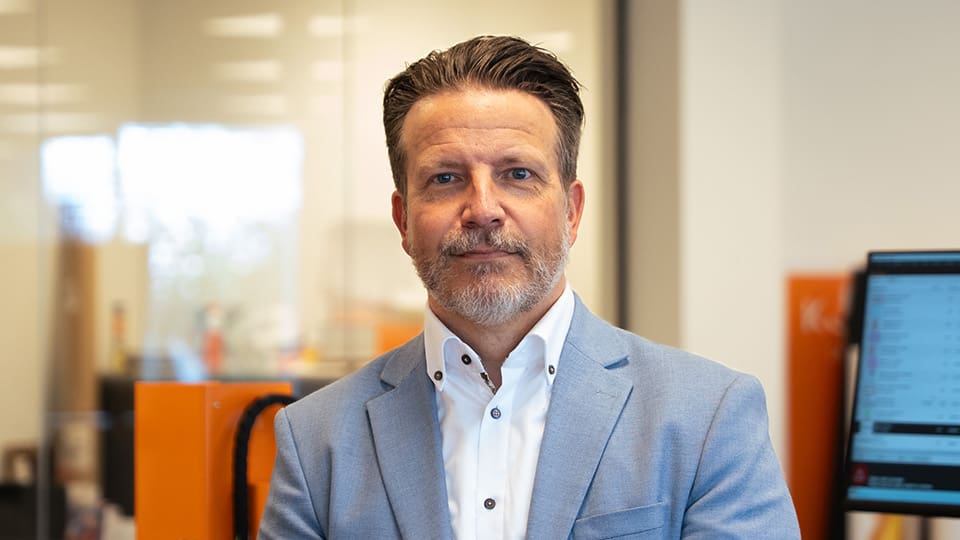
“Sign businesses are facing increasing external pressures, both due to macro economical volatility and from growing customer demand for more customised, short run applications.
This, in turn, is causing production issues in those businesses not set-up for fast turnaround times, while maintaining high-quality output.
“As a result, suppliers are developing more advanced automated equipment and integrated software solutions that help businesses streamline workflows, improve efficiency, and boost productivity. Well integrated solutions can also reduce reliance on manual labour, allowing those skilled operators to be deployed where they’re most needed.”
Honesty and transparency are essential components in building trust, which is the most essential factor in maintaining long-term partnerships
With Kongsberg, van Gaever says the company works on a long-term partnership model, whereby it is committed to growing with customers across every aspect of their operations by delivering advanced digital cutting solutions, backed by a dedicated team of experts.
“Whether that’s ensuring that they’re covered for eventualities through our flexible servicing offerings or supporting in the planning and execution of their long-term operational goals,” he says, concluding: “We value building lasting partnerships that enable us to support them in shaping the future of their business, together.”
As the sign industry continues to evolve, partnerships are likely to become even more important in helping businesses remain competitive and responsive to customer demand. Companies that invest in trusted, long-term relationships will be better placed to expand their capabilities, improve efficiency, and deliver consistent quality.