John Davies: Is 2026 the Year 'Intelligent Signage' goes mainstream?
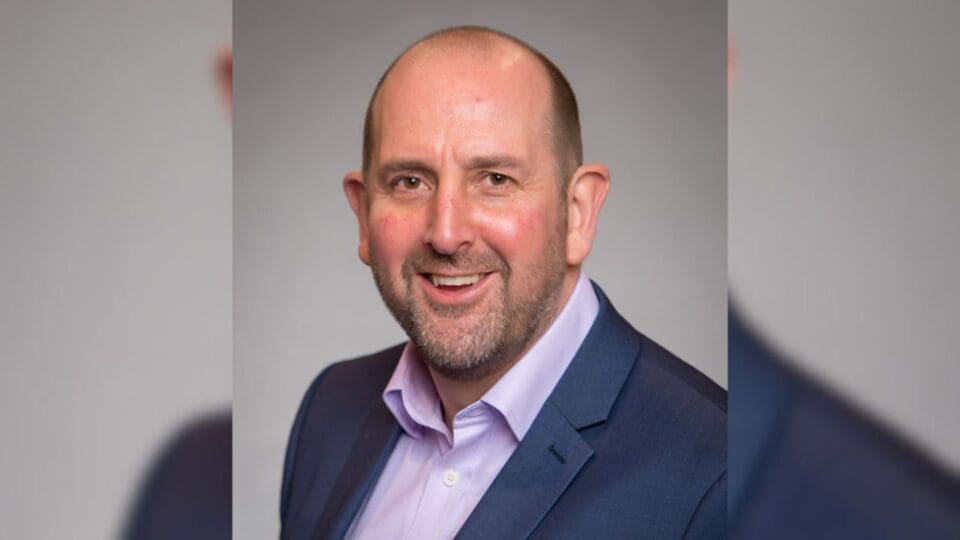
After a busy 2025, we speak to John Davies, UK managing director of FASTSIGNS UK about the past year and what's to come in 2026

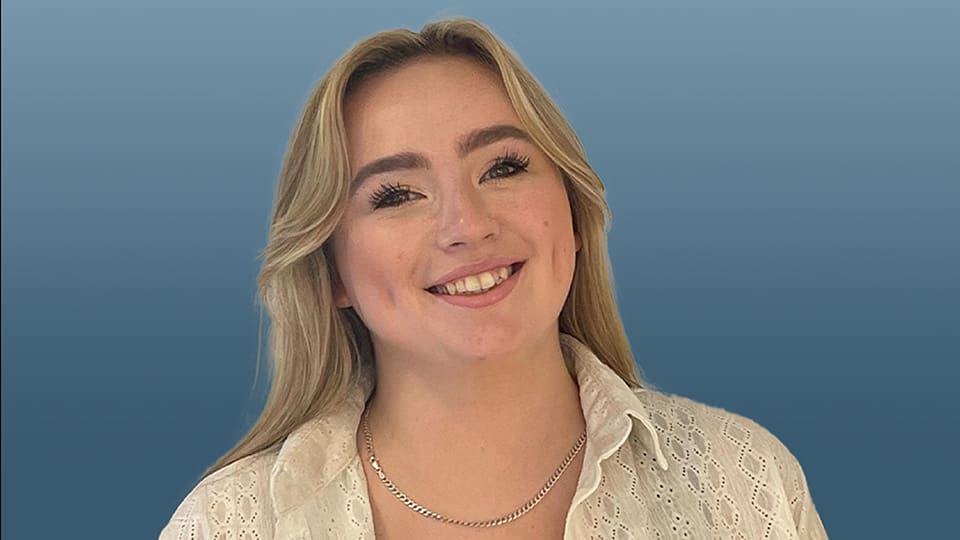
Following the launch of The Manchester Screen, the largest combined banner and digital billboard in the UK, we speak to Katie Smith, owner of the new site, about how the billboard came to be, and her ambitions going forward

While my career began in newspaper and magazine sales, I found my passion for OOH during my many years working for major media owners, and media and social agencies in the North West and London. I’ve always been in creative and client-facing roles, working across brand activations and campaigns where outdoor was this massive, under-leveraged opportunity.
I remember the moment I realised people still talk about the billboards they walk past – they stick with them far longer than a social scroll. That’s when it clicked for me – this isn’t just signage, it’s a stage for culture, the kind of impact no other channel can quite replicate.
When the screen first went up, I thought wow. I was asked to get involved at early stages of the original launch, but it wasn’t the right time for me. But it soon struck me that it was underutilised, and the potential was underappreciated. The opportunity crossed my path again in 2021, and I got involved with the operational running and sales of the screen; this is where my relationship with it formally began.
As I started understanding where the wins and growth were, the building owner saw how my vision fitted the wider opportunities, and after trialling different operational media owners and teams, in April 2025 I was formally offered the joint venture with the building owner for the ownership of the screen which expanded across not just the screen but the whole of the site.
I suppose it was born out of my desire to think big; and to think beyond the billboard. Over the years the screen has gained some serious traction. We were seeing the impact it had on a campaign’s overall success, as an opportunity to create a moment and talkability through its size and scale. The social buzz around the screen went way beyond the impressions for the site itself.
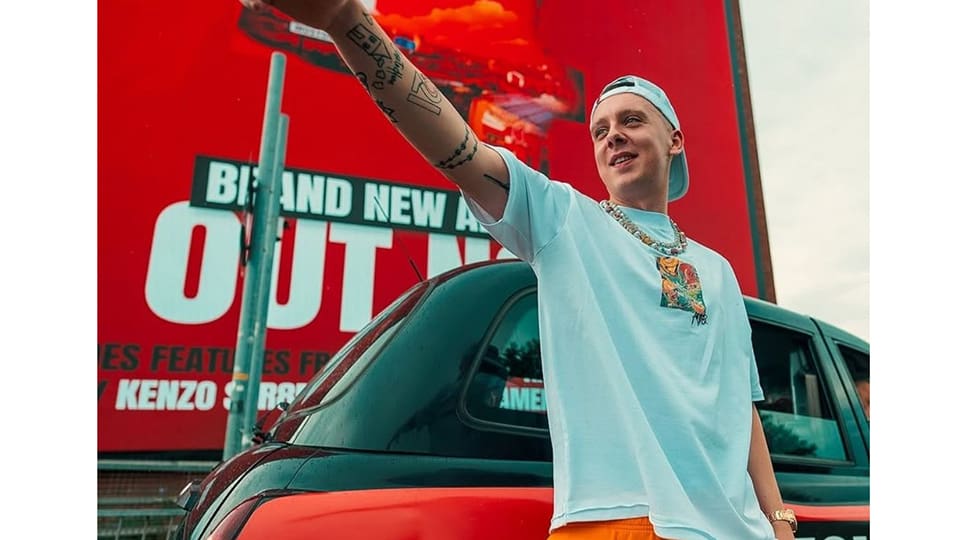
So, I had the vision to build on this and, thanks to the co-operation of some really forward-thinking brand owners, we started experimenting with the space around the screen. We began with the roof, and our roof murals and roof pop-ups ups sparked even more talkability and were the ideal test case for expanding the screen. Victoria Warehouse is an iconic building and the ideal canvas and activation space that gives brands the freedom to do whatever they can imagine.
Beyond the Billboard is our way of stepping up from advertising space to advertising ecosystem. People don’t just look at screens anymore – they engage, interact, and experience. Beyond the Billboard allows brands to activate in a 360º way – print, motion, AR, experiential moments, and content capture – all in one living space. It extends the campaign beyond a glance.
That’s where value is realised now, in memory, in shareability, in the stories people tell after they encounter a brand.
With 1,140sq m of OOH impact and over 6,000sq m of activation space, we’re not thinking small. Our team is always on, experienced, energised, and relentlessly committed to making ideas work.
No commercial red tape, no endless approval layers, just us, our clients, and the results we deliver together.
What’s been really exciting is the curiosity and the energy. Traditional buyers are intrigued, creative agencies are lit up by the possibilities, and media planners are suddenly thinking much bigger about OOH again. It’s been refreshing because the feedback isn’t cautious, it’s ambitious. People are actually talking about it, and that’s the highest compliment in an industry where silence is often the default.
Add to this some of the results that our clients have shared, such as a campaign reaching 2.2 million views from one post, and over 20k shares – brands can’t help but understand the opportunity the screen now brings. The Manchester Screen has grown into a genuine destination for brands – not just a placement – and next year is about pushing that even further with new creative technologies, partnerships, and data-led approaches.
I see both. The wider ecosystem is moving toward integrated experiences – audiences don’t compartmentalise media, so why should we? But in terms of scale and execution, I genuinely believe we’re trailblazing here. Combine static and digital at this magnitude, with layered experiential options? That’s not standard. We’re proving that OOH can be more than a medium – it can be a platform for storytelling in real life.
The Manchester Screen has grown into a genuine destination for brands, not just a placement, and next year is about pushing that even further with new creative technologies, partnerships, and data-led approaches
Marketers are tired of safe campaigns. They want bold. They want fun. They want you to feel that “you need to go and see that”. Manchester is perfect for this because the audience genuinely loves seeing itself reflected on big cultural moments. That’s why The Manchester Screen has evolved into a canvas for builds, projections, murals, and rooftop activations — not just a rectangle with pixels.
It’s been a steep learning curve, no doubt. Going from operator and producer to strategic owner means thinking about business health, people, growth, cashflow, and stakeholders – not just creative execution. The biggest challenge was letting go of being the expert in every room and instead building a team that is doing that. I leaned hard into hiring diverse thinkers, trusting them, and setting a culture where debate is encouraged and accountability is real. That shift from doer to leader was the toughest but also the most rewarding aspect.
Outdoor media at the large-format end is still heavily male-dominated, especially when you’re talking about ownership rather than sales or operations. But being the outlier gives me freedom. I can run The Manchester Screen without the legacy systems or corporate constraints that often slow bigger operators down. I make decisions quickly, I work directly with agencies and brands, and I lead with creativity rather than structure.
I want my presence in this space to make it easier for more women to enter at senior, strategic, and ownership levels, not just sales roles. Representation matters, especially in an industry that shapes public spaces.
We’re just getting started. 2026 is about scale, creativity and smarter integration. The Manchester Screen has grown into a genuine destination for brands, not just a placement, and next year is about pushing that even further with new creative technologies, partnerships, and data-led approaches.
The goal is to activate The Manchester Screen not just as a billboard, but as a creative engine for the North and for UK brands and international ones alike. That means tech upgrades, more integrated data and measurement, stronger partnerships with creative agencies, and pushing into new formats and spaces that surround the screen. We want to set a new standard for what OOH looks like in the next five years – and prove that real-world advertising can be even more powerful than digital.