Accreditation in the Signage Industry: A Vital Commitment to Safety and Best Practices
SignLink hears from the British Sign & Graphics Association (BSGA) about its guidance when it comes to accreditations and certifications
Guest Writer
April 14, 2025
In an industry like signage, where many different factors come into play, from installation heights to handling heavy machinery, ensuring the safety of employees and the quality of the work is of the utmost importance. Because the signage sector is largely unregulated, it's more crucial than ever for businesses to prove they meet the highest standards.
Accreditation is not just a stamp on paper; it’s a clear message to clients and workers that a company takes safety, quality, and professionalism seriously.
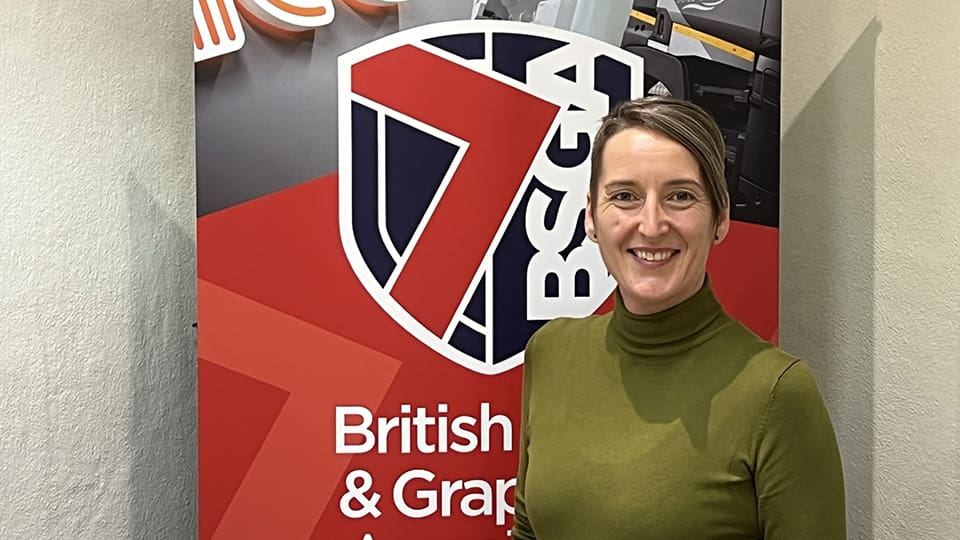
As Linda Edwards, managing director of the British Sign and Graphics Association (BSGA), puts it: “Accreditation in the signage industry is about demonstrating to both clients and your team that you’re committed to best practices. It’s a way of saying ‘we care about the quality of our work and the safety of everyone involved.’ It’s not just about ticking boxes; it’s about being a responsible and professional organisation.”
Let’s take a deeper dive into what accreditation means for the signage industry, why it’s so important, and how it benefits both sign-makers and their customers.
The Value of Accreditation in the Signage Industry
Accreditation is often seen as a way of building trust. In the signage industry, it’s about more than just meeting minimum legal requirements; it’s about going above and beyond to demonstrate that a business is committed to the health, safety, and well-being of its employees, as well as the quality of its finished product.
The BSGA has played a key role in setting industry benchmarks for safety and quality, and Edwards highlights the importance of being aligned with recognised standards. “Accreditations like PASMA, IPAF, and SafeContractor show your customers that you take their safety seriously and that you adhere to strict industry standards,” she explains. “This is a major selling point, especially for larger clients who require assurance that the contractors they work with are competent and reliable.”
Linda Edwards is managing director at the BSGA and is also founder and managing director of The Vehicle Wrapping Company
The benefits of accreditation extend far beyond building trust with clients, they also provide a framework for sign-makers to operate more efficiently and safely. “Accredited businesses can demonstrate their commitment to health and safety, which leads to fewer accidents, reduced insurance costs, and an overall safer work environment,” says Edwards. "Accreditation helps sign-makers streamline their processes and avoid costly mistakes."
Key Health and Safety Accreditations for Signage Organisations
While not every accreditation is mandatory, the following certifications are widely recognised and essential for businesses that wish to demonstrate their commitment to safety and best practices:
PASMA (Prefabricated Access Suppliers’ and Manufacturers’ Association) This accreditation is essential for signage organisations using mobile access towers during installation. PASMA ensures safe practices when working at height. Edwards explains: “Safety is non-negotiable at height. PASMA certification shows your clients that you understand the risks and take steps to mitigate them.”
IPAF (International Powered Access Federation) For signage organisations using powered access equipment like scissor lifts and cherry pickers, IPAF training is key. Edwards points out: “Accidents can be prevented with proper training. IPAF certification ensures operators are trained to use these tools safely.”
SafeContractor This widely recognised accreditation demonstrates a company’s commitment to health and safety. Edwards says: “SafeContractor accreditation gives your business a competitive edge, showing potential clients that you’re a trustworthy, professional contractor.”
CHAS (Contractors Health and Safety Assessment Scheme) CHAS verifies that a business meets rigorous health and safety standards. “CHAS accreditation boosts your credibility,” Edwards explains. “It shows clients and partners you’re committed to safety and governance.”
SSIP (Safety Schemes in Procurement) SSIP is an umbrella accreditation simplifying the process of meeting multiple safety standards. “SSIP makes it easier for businesses to show they meet industry expectations without undergoing separate assessments,” says Edwards.
How Accreditation Benefits Sign-makers
Accreditation isn't just about reassuring customers – there are real, tangible benefits for sign-makers and their teams as well. Below are some of the key advantages of obtaining accreditation in the signage industry.
Improved Safety Standards At its core, accreditation is about improving safety. For sign-makers, this means fewer accidents, fewer injuries, and a reduction in downtime due to safety violations. Edwards notes: “A safer workplace is a more productive one. By prioritising safety and investing in accreditation, businesses can reduce risks and keep operations running smoothly.”
Increased Credibility and Trust Clients prefer working with businesses that can prove their commitment to safety and professionalism. Accreditation provides sign-makers with a clear, credible way to demonstrate their competence. Edwards adds: “When you’re working with large clients or high-risk projects, accreditation provides reassurance that you’ll complete the job safely and to a high standard. It opens doors to new opportunities.”
Reduced Legal and Financial Risks By complying with health and safety regulations and maintaining accreditation, signage businesses can protect themselves from costly legal issues. Accreditations also help with securing lower insurance premiums, as accredited businesses are viewed as less risky. “Insurance companies like working with businesses that have strong safety protocols in place,” Edwards explains, adding: “It can save you money in the long run.”
Boosted Reputation and Competitiveness In a competitive market, accreditation sets a business apart from the rest. It demonstrates that a company is committed to industry best practices, which can make all the difference when bidding for projects. Edwards points out: “Clients want to know they’re working with the best in the business, and accreditation provides that assurance.”
Ongoing Training and Development Accreditation often comes with continuous professional development (CPD) requirements, which helps businesses stay up-to-date with the latest health and safety standards. “CPD ensures that your team is always learning and improving,” Edwards says. “It also shows clients that you’re dedicated to maintaining a high level of professionalism and expertise.”
Accreditation and it's Impact on Customers
While accreditation provides clear benefits for sign-makers, it also brings significant advantages to customers. Knowing that a signage company is accredited gives customers peace of mind, knowing their project will be completed safely, on time, and to the highest standard. “Clients appreciate the added assurance that comes with working with an accredited business,” says Edwards. “It’s a sign of professionalism and reliability, which is why it’s so valuable in a competitive market.”
Accredited businesses also tend to have better relationships with suppliers, ensuring smoother project delivery and better outcomes. “When you’re accredited, suppliers know they’re working with a reputable business, which often leads to more favourable terms and reliable service,” Edwards explains.
Accreditation as a Commitment to Excellence
If you're in the signage business and haven’t yet obtained your accreditations, now is the time to take the step. It improves your safety standards, enhances your reputation, and helps you attract new customers. After all, in an industry where reputation is everything, accreditation is one of the most effective ways to show you’re serious about doing things the right way.”
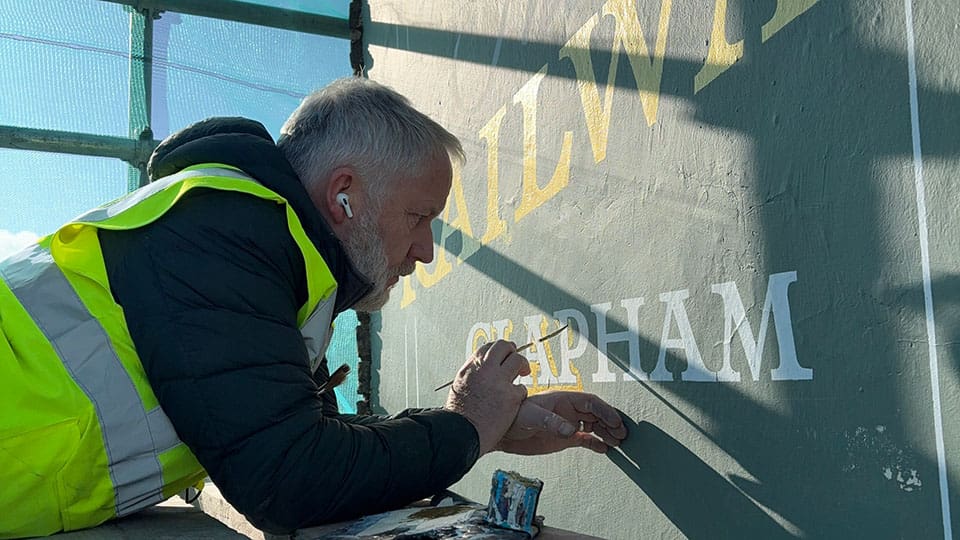
With a career spanning many facets of sign-making, Signmode has taken David Mearns back to where it all started with no regrets. Ahead of Mearns’ return to The Sign Show, Sam Roberts speaks to this traditional signwriter
Following the success of the FESPA Next Generation initiative, we hear from Molly Jackson, head of content and marketing at FESPA UK, who gives her perspective on entering the industry, standing out to employers, and embracing the team you work with
In this Company Spotlight, we speak to Andrew Ballington-James, managing director of Just AJD, about the company’s quarter-century history and how it maximises its output with a small but experienced core team
Watch our latest video of the week
SignLink gives you the latest video coverage of companies, people, and events from within the signage, graphics, and wide-format print industries.