In this special, Pierre Gillet, VP of international sales at BrightSign, talks about the trends we are likely to see in digital signage in 2025
Guest Writer
July 28, 2025
The evolution of digital signage has transformed how information is displayed, giving businesses greater control over their content and how it’s presented. With modern digital signage and media players, the possibilities are virtually limitless – enabling businesses to determine what content to show, where to display it, and how to maximise its impact.
As consumer expectations increase, organisations need to ensure they are utilising robust digital signage solutions – including those that support advanced technologies such as AI and the internet of things (IoT) – to securely and reliably deliver exciting, interactive, and shareable experiences. This will continue throughout 2025, placing the onus on digital signage owners to remain agile in unlocking new revenue opportunities, driving engagement, and boosting profitability.
A New Era of Interactivity and Personalisation
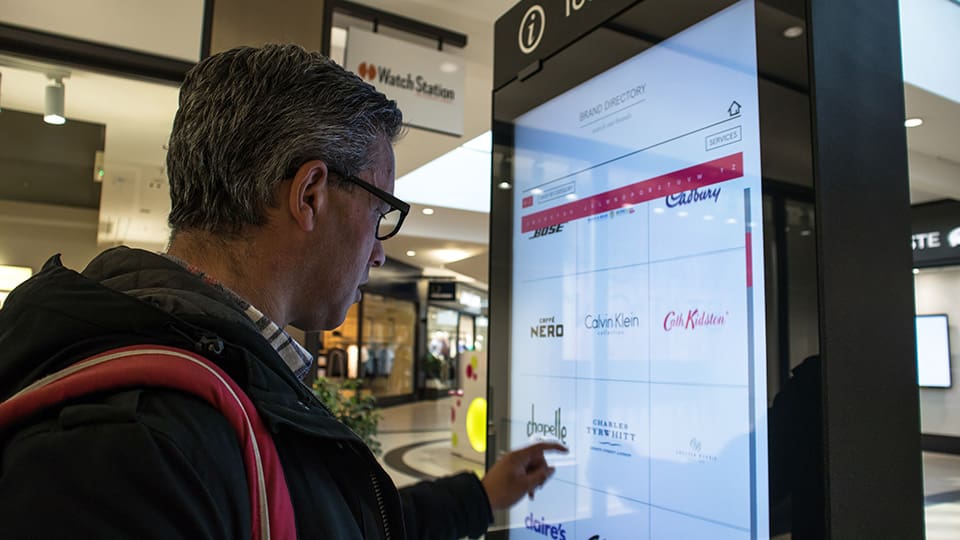
Interactive digital signage solutions are key to delivering immersive, in-person experiences. In retail, museum or theme park settings, engaging customers through “lift and learn” applications can significantly enhance experiences and deliver additional information.
When paired with IoT sensors, digital signage players provide custom on-screen content and information based on items users pick up or interact with, potentially leading to increased engagement and sales opportunities.
For example, when customers select an item of clothing to try on, digital signage can instantly display information such as price, returns information, online availability, and other garments that would complement the outfit. This creates a personalised shopping experience.
Furthermore, digital signage can keep customers engaged if there are prolonged periods of dwell time. Sensors can also detect a customer’s proximity to a product and adapt lighting conditions and colours as they approach a display. This is particularly useful for themed areas associated with a particular brand or product line.
Interactive displays are an increasingly popular choice to create personalised customer experiences
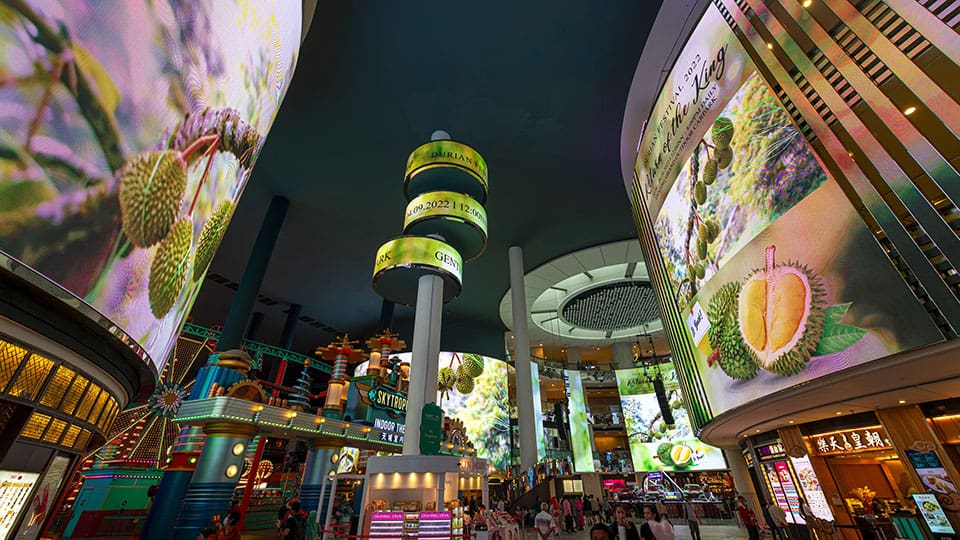
Interactivity will also surge in popularity in the museum and theme park industries going forward, with attractions increasingly using digital signage solutions to make the visit more experiential. Whether it’s deploying touchscreens for educational purposes; creating customised content that is subsequently projected or used on other screens; or keeping people entertained whilst they queue for the next ride, the opportunities are endless.
The ability to engage audiences in real-time means the customer experience is no longer passive but deeply absorbing. By enabling deeper, more meaningful interactions, digital signage has the ability to turn viewers into active participants, fostering a connection and immersion previously unattainable with traditional digital signage solutions.
AI Changing the Digital Signage Game
The introduction of AI into digital signage is a paradigm shift for the industry, reshaping how businesses engage with their audiences. No longer a static broadcasting tool, digital signage has evolved into an intelligent, responsive medium that attracts, engages, and captivates.
By embracing applications that leverage or support AI, digital signage owners can unlock new levels of interactivity, personalisation, and efficiency that enhance customer engagement, satisfaction, and business growth.
Digital signage players with dedicated neural processing units, for example, enable AI-powered applications to operate without compromising content playback quality. It allows for intensive tasks such as data analysis to take place at each touchpoint, without having to send information to and from the cloud. These advanced systems enable real-time content adjustments based on time of day, location, engagement levels, and environmental conditions.
The potential of AI in digital signage will only continue to grow, as the industry realises the benefits of practical AI-enabled applications, with digital signage solutions evolving into fully-fledged, interactive, and intelligent communication tools.
AI technology enables automatic content adjustments across entire estates based on time, location, and engagement levels
Dynamic Content as Requirements Evolve
All businesses deploying digital signage are increasingly utilising dynamic, interactive, and real-time content to enhance audience engagement. This shift demands content management systems (CMS) that integrate with reliable hardware.
Modern digital displays now incorporate real-time updates, IoT sensor integration, and social media feeds. IoT sensors can help organisations to gather valuable information on audience engagement and user behaviour. This enables data-driven decision-making and – ultimately – an even better experience.
This necessitates CMS platforms that are capable of managing specific media formats and delivering personalised content efficiently. Additionally, these solutions must support network-wide content management including scheduling, live updates, and performance analytics.
To maximise flexibility and performance, businesses need digital signage providers with established partnerships across a diverse range of CMS platforms. This ensures they can select the most suitable CMS – for both small-scale or enterprise deployments – leveraging solutions that offer simple integration, enhanced user experiences, and dedicated support.
Advertisers are looking for technology that provides detailed performance analytics in real time
Not Without Its Challenges
Digital signage owners face a multitude of challenges when deciding which AV technologies to implement. Primarily, these are focused on increased demand for reliability, security, and performance.
Users are looking for hardened security between digital signage solutions and remote management platforms to prevent unauthorised access. Therefore, protecting both the digital signage system and the content is essential. Ultimately, security must take precedence.
Therefore, digital signage owners need to utilise purpose-built and secure operating systems within signage players that minimise exposure to vulnerabilities.
Ultimately, digital signage owners need to know that their technology will simply work, 24 hours a day, seven days a week, 365 days a year. They therefore need durable and dependable hardware that delivers extended longevity, especially commercial-grade screens and robust digital signage players that can operate in any environment, and under any conditions.
The Future of Digital Signage
Digital signage is no longer just a display tool – it’s an interactive platform driving engagement, personalisation, and operational efficiency. With advancements in AI and secure CMS integration, businesses can deliver real-time, data-driven experiences that captivate audiences.
While challenges like security and reliability remain, investing in purpose-built solutions ensures long-term performance. As technology evolves, the value of digital signage as a strategic asset in creating immersive and intelligent customer experiences should not be underestimated.
With a career spanning many facets of sign-making, Signmode has taken David Mearns back to where it all started with no regrets. Ahead of Mearns’ return to The Sign Show, Sam Roberts speaks to this traditional signwriter
Following the success of the FESPA Next Generation initiative, we hear from Molly Jackson, head of content and marketing at FESPA UK, who gives her perspective on entering the industry, standing out to employers, and embracing the team you work with
In this Company Spotlight, we speak to Andrew Ballington-James, managing director of Just AJD, about the company’s quarter-century history and how it maximises its output with a small but experienced core team
Watch our latest video of the week
SignLink gives you the latest video coverage of companies, people, and events from within the signage, graphics, and wide-format print industries.