Premier adds Re-Board to its product portfolio
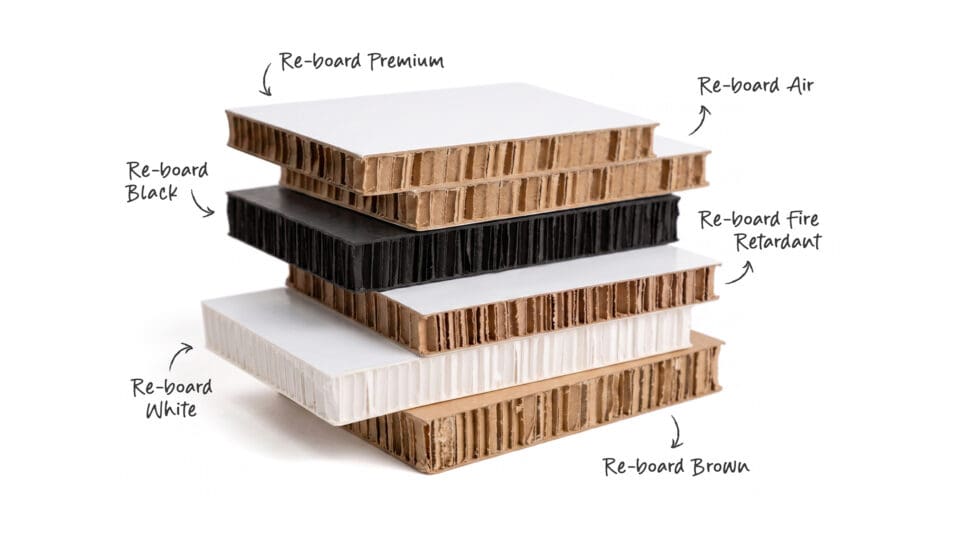
Premier now offers the Re-Board range of lightweight paperboard solutions to the UK and Ireland market, offering a fully fibre-based lightweight display solution to its customers


In this guest article, Roly Ward, head of business development at MEDITE SMARTPLY, speaks about the importance of longevity and durability when choosing signmaking materials

When a sign is installed, it begins representing two businesses. The first is obvious: the organisation whose name or identity appears on it. The second is the signmaker that designed, manufactured, and installed it.
That makes longevity more than a technical consideration. A sign that continues to look sharp and perform reliably for years after installation becomes a lasting advertisement for the quality of the signmaker’s work. One that prematurely warps, cracks, or deteriorates can have the opposite effect.
For external signage in particular, achieving that longevity begins long before paints, coatings, or gilding are applied. It starts with the substrate.
Designing for what happens after installation
External signs face repeated exposure to rain, moisture, UV radiation, and temperature fluctuations. In exposed or coastal locations, those pressures can be more demanding still.
For signmakers, the challenge is therefore not simply creating something that looks impressive on installation day. Materials need to support that appearance over many years.
This becomes particularly important with premium signage. Intricate carving, lettering, decorative profiles, and specialist finishes can represent considerable time and craftsmanship. If the substrate beneath them moves significantly in response to moisture, the finish can eventually be compromised, too.
Traditional timber, for example, naturally expands and contracts as its moisture content changes. Movement within a panel can contribute to cracking in coatings and loss of definition in carefully produced details.
The more elaborate the sign, the more valuable the work that potentially sits on top of that substrate.
More than a decade of experience
This is something LE Graphics understands particularly well.
Based in Enniskillen, Northern Ireland, the multi-award-winning signage and branding company has been operating since 1995. Its work ranges from traditional handcrafted plaques to modern illuminated systems, with clients including The National Trust and Historic Royal Palaces.
Projects in the heritage and visitor-attraction sector present an interesting challenge. Signage needs to respect the character and visual quality of its surroundings, while often remaining outside in demanding conditions for long periods.
For more than ten years, LE Graphics has used MEDITE TRICOYA EXTREME (MTX) for applications including bevel-carved and gilded plaques, flat-cut and prismatic individual letter signs, and long-life interpretive and wayfinding signage for outdoor use.
The experience demonstrates why substrate stability matters in practice.
“We have received excellent feedback from clients whose signs have retained their integrity and finish for years,” says David Donaldson MBE, managing director of LE Graphics. “That reliability has strengthened our reputation for producing signage that looks great and stands the test of time, even in exposed locations.”
Protecting the craft
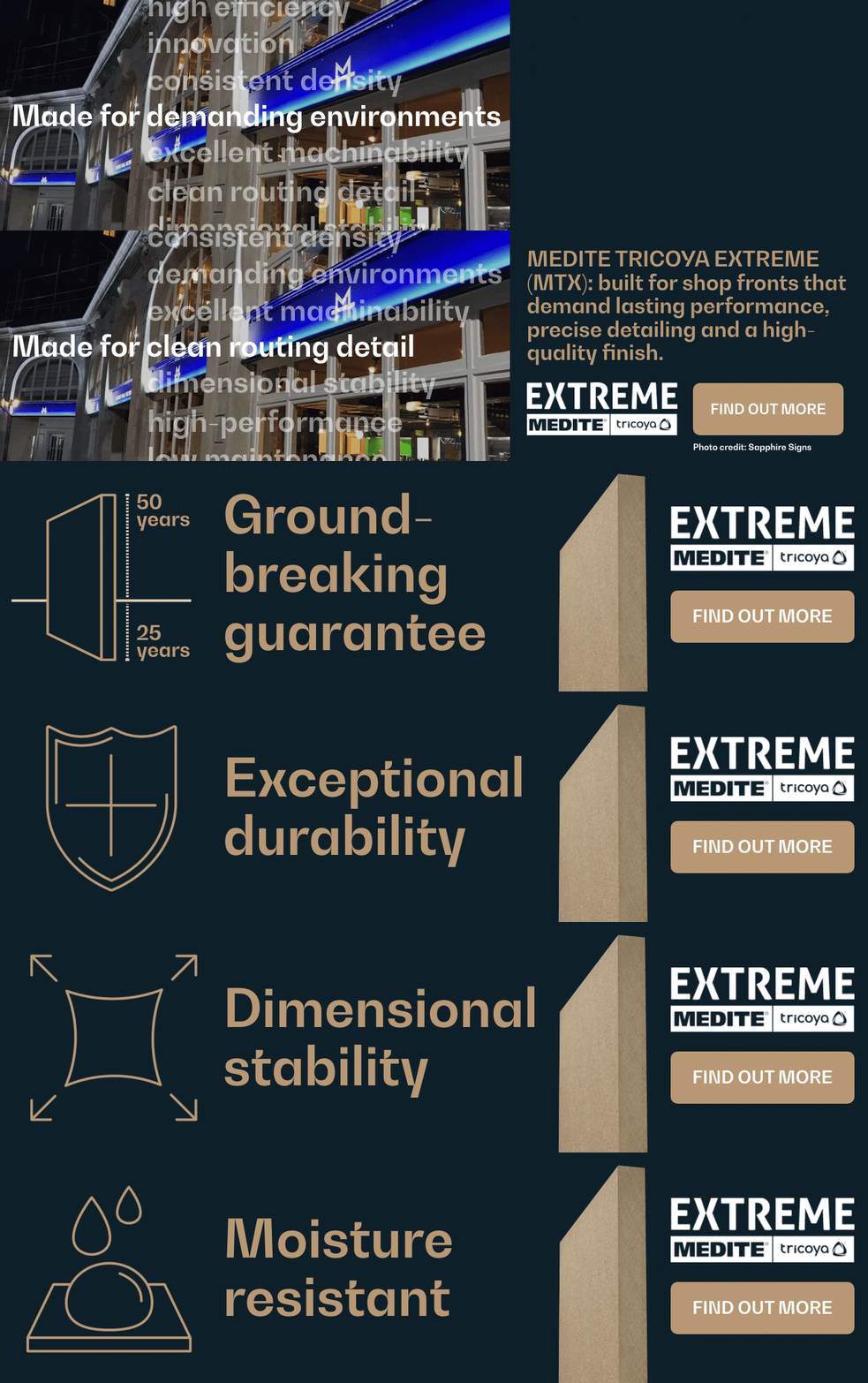
MTX is manufactured using acetylated wood fibre, giving the panel high dimensional stability and resistance to moisture, rot, and fungal decay. It is backed by a 50-year guarantee above ground.
For signmakers, however, durability needs to be accompanied by workability.
The panel provides a smooth, knot-free surface with consistent quality and thickness. It can be machined to create fine details, sharp edges, and intricate lettering, while providing a uniform surface for painting and other finishes.
This combination becomes particularly valuable where traditional craftsmanship meets modern manufacturing. CNC routing has given signmakers enormous scope to create complex letterforms, deep-relief logos, and precise detailing. But the finished result still depends on how well the substrate machines and, subsequently, how well those details survive exterior exposure.
For LE Graphics, MTX's ability to support both detailed fabrication and long-term exterior performance has made it a core material.
Donaldson says: “As a signage manufacturer in Ireland, we face some of the harshest weather conditions in Europe. MEDITE TRICOYA EXTREME gives us the confidence to offer beautifully crafted, long-lasting signage and individual letters without compromise. It’s become our go-to material for outdoor carved plaques and premium signage, especially for heritage and visitor attraction projects where longevity and quality are paramount.”
Looking beyond the upfront material cost
There is also a commercial argument for thinking about signage materials over their entire service life.
Call-backs consume time. Remedial work occupies workshop capacity. Replacement means repeating manufacturing and installation processes that ideally should not have been necessary.
For the end customer, deterioration also affects the image their signage was commissioned to project in the first place.
A substrate that remains dimensionally stable can help extend maintenance cycles because the surface beneath the coating is subject to less movement. When refinishing is eventually required, light sanding and repainting can restore the finish.
Reputation is built over time
The best signage demonstrates craftsmanship when it is installed. Truly successful signage continues demonstrating it years later.
Ultimately, material selection becomes part of the promise a signmaker makes to a customer. Choosing a substrate engineered for long-term exterior performance helps protect not only the sign itself, but also the craftsmanship, brand identity, and reputation invested in it.